
Questions to Ask Your Wedding Photographer and Videographer Before Booking
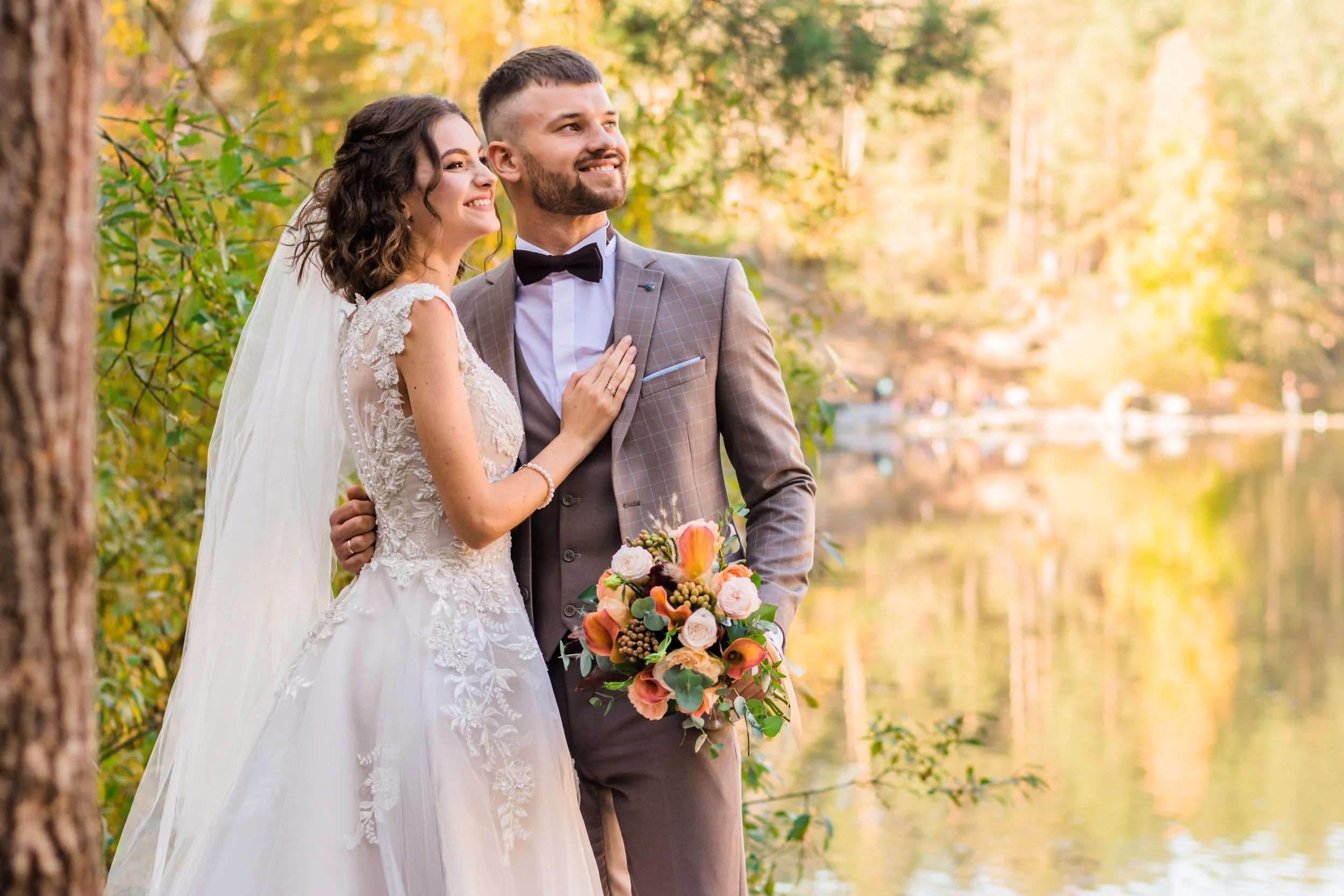
Before booking your wedding photographer or videographer, you should understand who will arrive on the day, how they work, what your coverage includes and what happens if something does not go to plan.
You do not need to turn the consultation into a job interview with a clipboard and forty rapid-fire questions. You do, however, need more than a beautiful Instagram feed and a price that fits your spreadsheet.
The right conversation should help you understand whether you like the work, trust the people creating it and feel comfortable with everything written in the proposal and contract.
QMWeddings offers both South Florida wedding photography and South Florida wedding videography, but these questions are useful whether you are considering one coordinated team or booking your photographer and videographer separately.
The Five Questions You Should Never Skip
If you only have time to ask five questions, make them these:
Who will actually photograph or film our wedding?
Can we see complete wedding galleries and films, not only highlights?
How do you work and give direction during the wedding?
What exactly is included in the coverage and final delivery?
What backup plans and contract protections are in place?
Those five answers will tell you much more than asking which camera someone owns. Equipment matters, but the person using it, the way they handle a fast-moving wedding and the systems behind the work matter more.
Before the Consultation: Share the Useful Details
A photographer or videographer can give you a much more helpful answer when they understand what you are planning. Before the call, have these details ready if you know them:
Your wedding date and venue.
An approximate guest count.
The ceremony and reception locations.
Any travel between locations.
The parts of the day you want covered.
Cultural, religious or family traditions that matter to you.
Whether you are considering photography, videography or both.
Any concerns, such as feeling awkward on camera or having a tight timeline.
You do not need a finished schedule. Part of the conversation is learning what coverage will realistically fit your plans.
Questions About the People, Experience and Style
1. Who Will Actually Photograph or Film Our Wedding?
The person answering your enquiry may not be the person attending your wedding. This is common with studios and teams, but it should be made clear before you book.
Ask:
Who will be assigned to our wedding?
Can we see work created by that photographer or videographer?
Can we speak with them before the wedding?
Who will edit and deliver the photographs or films?
You should know whether you are booking the business owner, an associate or a wider team. None of those options is automatically better or worse. What matters is understanding what you are buying and feeling comfortable with the people who will be beside you for much of the day.
2. Can We See Complete Wedding Galleries and Films?
Portfolios are designed to show the strongest work. They help you understand style, but they do not show how consistently someone covers an entire wedding.
Ask to see at least one complete gallery that includes preparations, ceremony, family photographs, couple portraits, reception details, speeches and dancing. If you are considering video, watch a complete example of each film type you may receive—not only a short trailer.
Look for consistency when the conditions change:
Bright outdoor ceremonies and darker indoor receptions.
Quiet emotional moments and busy dance floors.
Natural skin tones and consistent editing.
Clear vows and speeches in the wedding films.
Strong photographs of guests, details and family—not only couple portraits.
The wedding does not have to come from your exact venue. A complete example from a celebration with similar light, size or logistics can be just as useful.
3. Have You Covered Weddings Similar to Ours?
Experience at your venue can be helpful, but it should not be the only measure of ability. A capable professional should be able to study a new location, communicate with the venue and adapt to changing conditions.
It is more useful to ask about experience with weddings that share important features with yours:
A similar guest count.
Several locations or a tight travel schedule.
An outdoor ceremony.
A dark ballroom or evening reception.
Multicultural or religious traditions.
A large wedding party or extensive family photographs.
Listen for an answer that explains how they plan and adapt—not simply a list of venues they have visited.
4. How Would You Describe Your Creative Style and Working Style?
Creative style describes what the final photographs or films look and feel like. Working style describes what it feels like to have the team around you.
A photographer may create candid-looking images while still giving plenty of direction. A videographer may produce cinematic films while working quietly and documenting natural moments. Ask them to explain both sides.
Useful follow-up questions include:
How much direction will you give us?
Do you focus mainly on candid moments, portraits or a mixture?
How do you approach family and wedding-party photographs?
How do you avoid turning the wedding into a long photoshoot?
How do you build the story of the day when editing?
There is no single correct style. The right answer is the one that matches the experience and finished work you want.
5. How Do You Help Couples Who Feel Awkward on Camera?
You are not expected to arrive knowing where to put your hands or how to produce a natural laugh on command. Ask how the photographer or videographer helps people relax.
A useful answer should explain the process: simple direction, movement prompts, conversation, sensible portrait timing and enough space for real moments to happen. “Do not worry, we will make you look good” may sound reassuring, but it does not tell you how.
Pay attention to how comfortable you feel during the consultation too. If communication already feels tense or dismissive, having several cameras pointed at you probably will not improve matters.
Questions About Coverage and Planning
6. What Exactly Is Included in the Collection?
The word “coverage” can mean very different things between businesses. Ask for a written breakdown covering:
The number of hours.
The number of photographers and videographers.
Preparations, ceremony and reception coverage.
Additional locations and travel.
Overtime costs.
Engagement sessions or pre-wedding coverage.
The estimated photographic delivery.
The films and edits included.
Albums, prints or credits.
Drone footage or social-media edits.
Compare what you receive, not only the headline price. A lower quote may include fewer hours, fewer team members or different final products.
If you want to understand how QMWeddings handles coverage and collections, you can review The Process & Packages before arranging a consultation.
7. How Will You Help Us Plan the Photography and Video Timeline?
Photography and videography depend on the wider wedding schedule. Preparations, first looks, ceremony timing, family photographs, couple portraits, sunset, speeches and formal dances all compete for space in the same day.
Ask when timeline planning happens and what information the team needs from you. They should be able to explain how they protect the moments that matter without building the whole celebration around the cameras.
You should also ask:
How much time should we allow for family photographs?
When should couple portraits happen?
Can portraits be split into two shorter sessions?
How will travel between locations affect coverage?
Which reception events must happen before coverage ends?
A helpful professional will work alongside your planner, venue and other suppliers rather than creating a separate schedule that only works for photography.
8. Do We Need a Second Photographer or Videographer?
A second professional can be valuable when important moments happen simultaneously, the couple prepares in different locations, the guest list is large or several angles are needed during the ceremony.
It is not automatically necessary for every wedding. Ask what the additional person will cover and why they are being recommended.
There is also a difference between an assistant and a second shooter. An assistant may help with equipment, lighting and organisation without independently photographing or filming the wedding. Ask which role is included in the proposal.
9. How Will the Photographer and Videographer Work Together?
Both teams need access to the same moments: the ceremony entrance, first kiss, speeches, dances and portraits. Ask how they communicate, share space and avoid repeatedly asking you to perform the same moment.
They do not need to have worked together before. Experienced professionals should still be able to introduce themselves, discuss the timeline and cooperate respectfully.
Booking one coordinated team can simplify that communication, but separate specialists can also work extremely well together. If you are comparing the options, explore QMWeddings’ Photo + Video Services and ask how the coverage would be organised for your plans.
10. How Do You Handle Rain, Delays and Difficult Lighting?
South Florida weddings can move quickly from bright sun to cloud, rain or a much darker indoor space. Ask how the team adapts when the conditions or schedule change.
You are listening for practical thinking rather than promises of perfect weather. A strong answer might discuss covered portrait locations, indoor alternatives, portable lighting, flexible portrait timing and communication with the planner or venue.
If weather is already on your mind, the guide to weather-proofing a South Florida wedding will help you prepare a realistic backup plan.
Questions Specifically for Wedding Videographers
11. Which Films and Audio Will We Receive?
Terms such as trailer, teaser, highlight film, documentary edit and feature film are not used identically by every videographer. Ask to see an example of each product included in your proposal and confirm its approximate format or length.
Clarify whether you will receive:
A short trailer or teaser.
A highlight film.
A longer feature or documentary film.
The full ceremony.
Complete speeches or formal dances.
Vertical social-media edits.
Unedited footage, if available.
Do not assume that “full-day coverage” means you will receive every moment as a separate complete video. Coverage describes the time spent filming; deliverables describe what will be edited and supplied.
12. How Will You Record Our Vows and Speeches?
Sound is one of the biggest reasons couples choose wedding video. Clear vows, speeches and voices bring back something photographs cannot.
Ask how the videographer records important audio and whether they use backup sources. You do not need a technical lecture, but you should hear a clear plan for the ceremony, officiant, speeches, musicians and venue sound system.
Also ask how music is selected and licensed for the finished film. If drone footage matters to you, confirm whether it is included and understand that venue rules, weather, safety and flight restrictions may affect whether it can be used.
Questions About Reliability, Delivery and the Contract
13. What Happens if Equipment Fails or Someone Cannot Attend?
Weddings cannot be repeated, so a professional should have a sensible contingency plan.
Ask about:
Backup cameras, lenses, audio recorders and storage.
How files are protected after the wedding.
What happens if the assigned photographer or videographer is ill or unable to attend.
Whether substitute professionals meet the same standard.
Whether the business carries liability insurance when required by the venue.
You are not looking for a promise that nothing can ever go wrong. You are looking for evidence that foreseeable problems have been considered before they happen.
14. What Will We Receive, When Will We Receive It and What Can We Do With It?
Ask for the delivery expectations in writing. For photography, clarify the gallery format, approximate number or range of edited images, resolution, gallery-access period and print permissions.
For video, confirm the films included, delivery method, revision policy and whether unedited footage is available. Ask whether photographs or films may be used on the supplier’s website or social media, and discuss privacy before signing if that matters to you.
Copyright and personal printing or sharing rights are not necessarily the same thing. The contract should explain what you are allowed to download, print and share.
15. What Does the Contract Cover?
Do not rely on verbal assurances for anything important. Before paying a retainer, read the agreement and confirm:
The date, locations and coverage hours.
The assigned service or team.
The products and delivery expectations.
The retainer and payment schedule.
Overtime and travel charges.
Cancellation, postponement and rescheduling terms.
The replacement process if someone cannot attend.
Image and film usage permissions.
Any responsibilities placed on you.
Ask about anything you do not understand. A professional should be willing to explain the agreement without making you feel rushed or awkward for reading it properly.
Red Flags When Comparing Wedding Photographers and Videographers
One unusual answer does not automatically mean you should walk away. The bigger concern is a pattern of vague, inconsistent or pressured communication.
Be cautious if someone:
Refuses to show a complete wedding gallery or film.
Cannot explain who will attend your wedding.
Gives unclear answers about what is included.
Has no written contract.
Cannot explain backup arrangements.
Dismisses the need to coordinate with other suppliers.
Promises drone coverage regardless of weather or venue restrictions.
Uses pressure or an immediate discount to stop you comparing options.
Shows work that changes dramatically between different weddings.
Avoids discussing delivery times, usage rights or cancellation terms.
Clear communication before booking is usually a good indication of what communication will feel like after booking.
Should You Book Photography and Videography With the Same Team?
Booking one team can mean one planning process, coordinated coverage and fewer separate conversations. It can also help the photographer and videographer share the timeline and work around each other naturally.
That does not mean separate companies are a poor choice. The most important factors are that you genuinely like both bodies of work, understand each contract and know the teams will communicate before the wedding.
Do not choose a combined package simply because it is convenient. Ask to see complete photography and videography examples and evaluate both with the same care.
How to Make the Final Decision
After each consultation, ask yourselves:
Do we consistently like their work—not only a few favorite images or clips?
Did they answer our questions clearly?
Did they ask thoughtful questions about our plans?
Do we understand the coverage, deliverables and contract?
Do we feel comfortable being ourselves around this person or team?
Do we trust them to stay calm and adapt when the schedule changes?
Price matters, but it should be compared alongside experience, coverage, final products and how confident you feel about the people involved.
You are not looking for the person who gives the most impressive sales presentation. You are looking for a photographer or videographer whose work you love, whose answers make sense and whose presence will make the wedding feel easier rather than more complicated.
Ready to Ask QMWeddings Your Questions?
You do not need to have your whole timeline or coverage figured out before getting in touch. Tell me your date, venue and what matters most to you, and I’ll help you compare the photography, film and team options that fit your plans.